
Good nutrition plays a central role in healthy aging. Yet many older adults and families encounter conflicting advice about what to eat, how much to eat, and whether supplements are enough. Misunderstandings about senior nutrition can lead to unintended weight loss, muscle decline, and reduced energy.
At Maple Knoll Village, we believe food should support strength, vitality, and long-term wellness. Below, we address common nutrition myths affecting older adults and share what current research actually says.
Myth 1: Older Adults Should Eat Much Less
It is true that metabolism and activity levels may change with age. However, nutrient needs do not disappear. In fact, certain nutrients become even more important.
According to the National Institute on Aging, older adults still require adequate protein, calcium, vitamin D, vitamin B12, and fiber to maintain bone health, muscle mass, and cognitive function. Simply reducing food intake without prioritizing nutrient density can increase the risk of deficiencies.
The goal is not to eat less; it is to eat smarter.
Myth 2: Protein Isn’t as Important After a Certain Age
Muscle naturally declines with age, a condition known as sarcopenia. Because the body processes protein less efficiently over time, older adults often need consistent protein intake throughout the day to maintain strength.
Research published by Harvard T.H. Chan School of Public Health emphasizes the importance of adequate protein for preserving muscle and supporting overall health.
Lean poultry, fish, eggs, dairy, beans, and lentils are excellent sources. Including protein at each meal helps maintain mobility and independence.
Myth 3: Skipping Meals Is Harmless
Some older adults experience decreased appetite and may unintentionally skip meals. Others may believe eating less will automatically improve health. However, skipping meals can result in low energy, blood sugar fluctuations, dehydration, and unintended weight loss.
The Academy of Nutrition and Dietetics recommends consistent, balanced meals to maintain energy and support healthy aging.
Hydration is equally important, as the sensation of thirst often declines with age.
Myth 4: Supplements Can Replace Healthy Meals
Supplements can be beneficial when prescribed by a healthcare provider to address specific deficiencies. However, they are not substitutes for whole foods.
Whole foods provide fiber, antioxidants, phytonutrients, and compounds that work together to support heart health, digestion, and immune function. The National Institutes of Health notes that nutrients from food are generally more effective than isolated supplements unless a deficiency exists.
Myth 5: Carbohydrates and Fats Should Be Avoided
Not all carbohydrates and fats are unhealthy. Complex carbohydrates such as whole grains, fruits, and vegetables provide fiber and steady energy. Healthy fats from sources like olive oil, nuts, and fatty fish support brain and heart health.
The American Heart Association recommends focusing on quality sources of fats and carbohydrates rather than eliminating entire food groups.
Practical Nutrition Tips for Healthy Aging
- Include protein at every meal
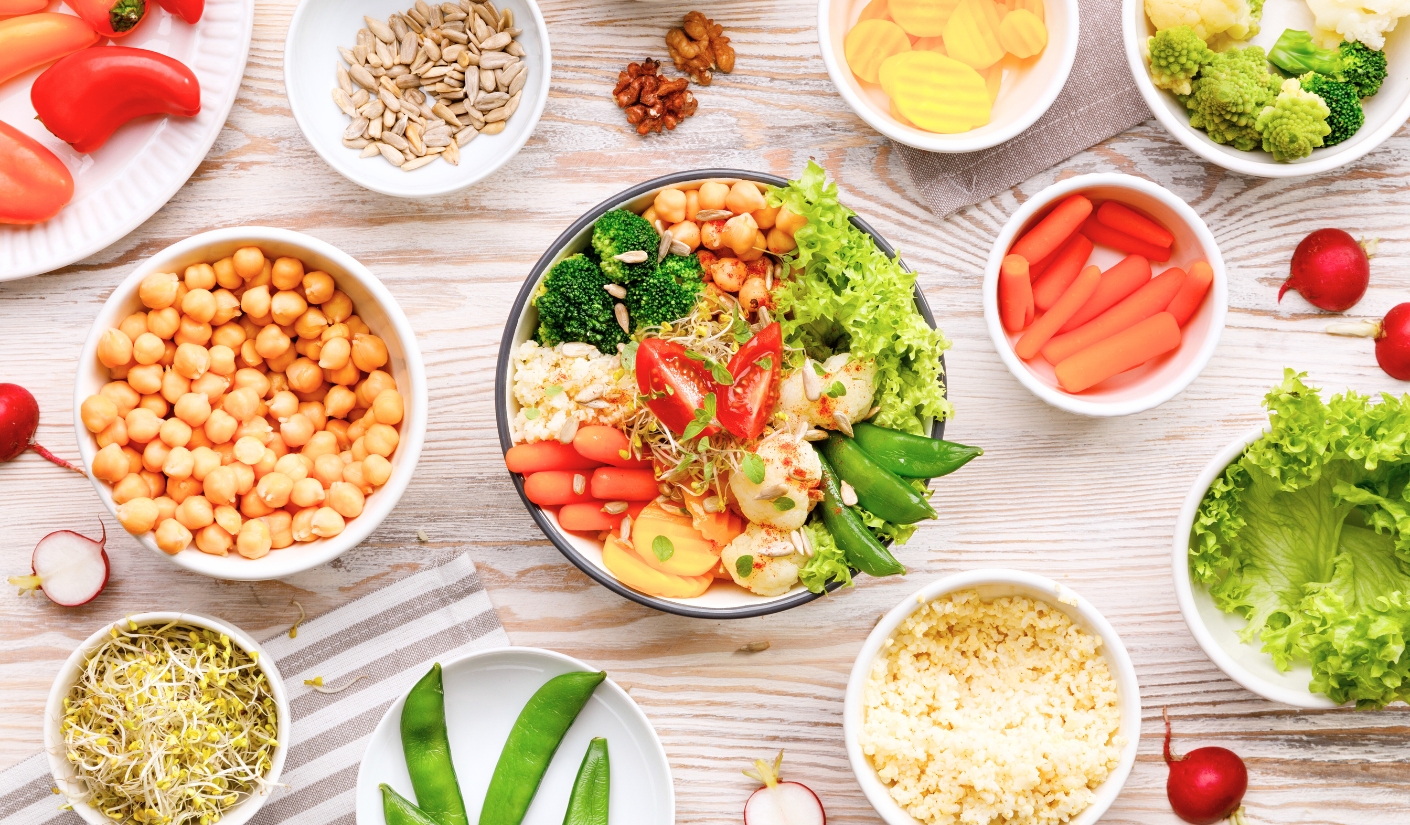
- Choose colorful fruits and vegetables
- Stay hydrated throughout the day
- Prioritize whole grains over refined grains
- Consult a healthcare provider before starting supplements
Balanced nutrition supports strength, cognitive health, immune function, and overall quality of life.
Dining Well at Maple Knoll Village
At Maple Knoll Village dining is thoughtfully designed to support both wellness and enjoyment. In partnership with our Morrison Living culinary team, we prioritize nutrient-dense menu options, fresh ingredients, and personalized accommodations tailored to individual health needs. Just as important, we create a welcoming dining atmosphere where residents can gather, connect, and truly enjoy the experience of sharing a meal.
Healthy aging is not about restriction, it is about fueling your body to stay strong, active, and engaged in the life you love. If you would like to learn more about the lifestyle and dining experience at Maple Knoll Village, we invite you to schedule a visit and see firsthand how great nutrition and vibrant community go hand in hand.
This article is for informational purposes only and is not intended to replace professional medical advice. Before making any significant changes to your diet, supplements, or nutrition plan, please consult with your healthcare provider.